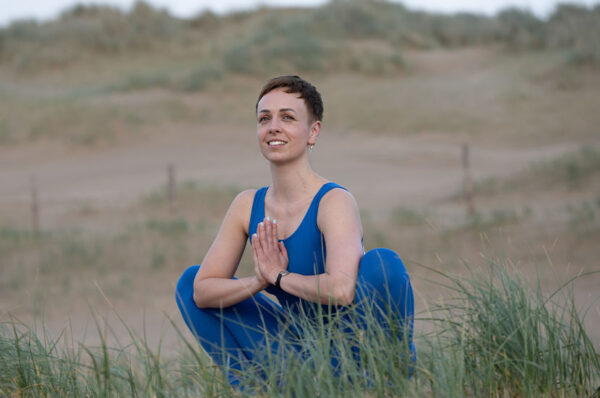



Outdoor yoga practice can offer enhanced mental health benefits compared to indoor sessions through increased exposure to natural light, fresh air, and calming natural environments. Research suggests that combining yoga with nature amplifies stress reduction, improves mood regulation, and boosts vitamin D levels. However, the best choice depends on your personal preferences, weather conditions, and access to suitable outdoor spaces for consistent practice.
What makes outdoor yoga different from practicing indoors?
Outdoor yoga transforms your practice through direct contact with natural elements that indoor environments simply cannot replicate. Several key factors distinguish outdoor practice:
- Enhanced air quality and breathing: Fresh air increases oxygen intake, supporting deeper breathing and enhanced circulation during poses
- Natural light benefits: Full-spectrum illumination helps regulate your circadian rhythm and supports vitamin D production
- Dynamic surface challenges: Practicing on grass, sand, or earth engages stabilizing muscles differently than studio floors, improving balance and proprioception
- Weather variability: Temperature fluctuations and gentle breezes create sensory experiences that enhance mindfulness and help your body build resilience
- Natural soundscapes: Birds, rustling leaves, or flowing water promote relaxation and help quiet mental chatter more effectively than artificial audio
These natural elements work together to create a more immersive practice that engages all your senses. The combination of varied terrain, fresh air, and natural sounds requires greater focus and body awareness, deepening your mind-body connection during each pose. This multi-sensory engagement sets the foundation for understanding how outdoor practice specifically impacts your mental well-being.
How does practicing yoga in nature affect your mental state?
Nature-based yoga practice triggers measurable changes in stress hormones and brain activity that enhance mental well-being. The neurological and physiological impacts include:
- Stress hormone reduction: The combination of mindful movement with natural environments reduces cortisol levels more effectively than indoor practice alone
- Parasympathetic activation: Your brain responds to natural settings by activating the nervous system’s rest and recovery mode, allowing you to reach meditation states more quickly
- Mental restoration through “green exercise”: Natural environments reduce mental fatigue and improve attention span through what researchers call “soft fascination”—effortless attention that allows mental restoration
- Circadian rhythm alignment: Morning sessions align with sunrise energy while evening practice helps you wind down with sunset, improving sleep quality and mood stability
- Enhanced mental flexibility: Adapting your practice to wind, uneven ground, or changing light conditions develops resilience and present-moment awareness
These mental health benefits stem from the fundamental human connection to nature, which outdoor yoga practice actively strengthens. The unpredictability and sensory richness of natural environments create a perfect complement to yoga’s mindfulness principles, resulting in deeper emotional regulation and stress relief that extends well beyond your practice session.
What are the practical benefits and challenges of outdoor yoga practice?
While outdoor yoga offers compelling mental health advantages, practical considerations significantly impact your ability to maintain a consistent practice. Understanding both benefits and challenges helps you make informed decisions:
Key Benefits:
- Vitamin D synthesis: Natural light exposure during practice supports bone health and immune function
- Improved respiratory function: Cleaner air quality reduces exposure to indoor pollutants and allergens, supporting deeper breathing techniques
- Enhanced physical challenge: Varied terrain provides a full-body workout that challenges different muscle groups and improves proprioception
- Better sleep patterns: Natural light exposure helps regulate melatonin production
Primary Challenges:
- Weather dependency: Rain, extreme temperatures, or high winds can disrupt planned sessions, requiring backup indoor options
- Surface instability: Uneven ground, wet grass, or sandy beaches require extra attention to alignment and may limit certain poses
- Equipment complexity: Weather-resistant yoga mats, appropriate clothing layers, and sun protection become necessary investments
- Location limitations: Finding quiet, suitable spaces requires more planning than booking a studio class, especially in urban areas
Successfully integrating outdoor yoga into your routine requires balancing these practical considerations with the significant mental health benefits. The key lies in developing flexible approaches that allow you to adapt to conditions while maintaining consistency in your practice, whether that means having indoor alternatives or choosing locations that offer year-round accessibility.
Both indoor and outdoor yoga offer unique mental health benefits. The key lies in finding balance between consistency and variety. At Samarali, we support your sustainable yoga practice wherever it takes you. Our organic cotton yoga blanket and other accessories with plastic-free packaging reflect our commitment to preserving the natural spaces that make outdoor practice so rewarding. Whether you choose indoor focus or outdoor adventure, mindful practice in harmony with your values creates lasting well-being.
Browse our selection of thoughtfully crafted collection of sustainable yoga essentials—designed for mindful movement and made with respect for the planet.