


Both yoga and tai chi improve balance, but through different approaches. Yoga builds stability through static poses that challenge your balance while strengthening stabilizing muscles. Tai chi develops dynamic balance through flowing movements that improve coordination and proprioception. Your choice depends on whether you prefer holding positions or continuous motion for balance training.
What’s the real difference between yoga and tai chi for balance training?
Yoga and tai chi take fundamentally different approaches to developing balance and stability:
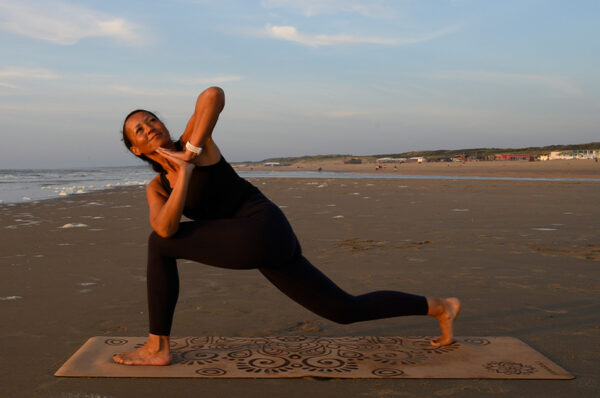
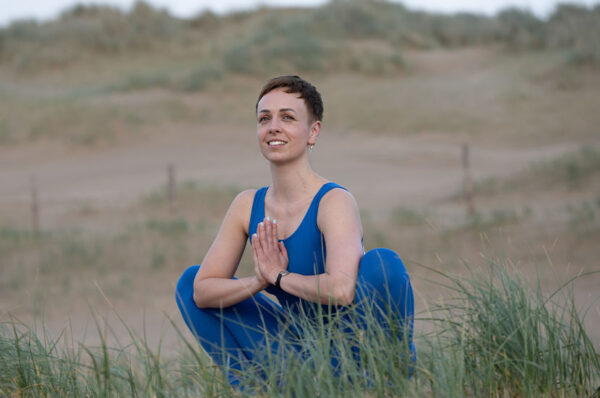
- Static vs. Dynamic Training: Yoga focuses on holding specific positions while maintaining stability, challenging your stabilizing muscles to work continuously and building strength in the small muscles around your joints
- Movement Patterns: Tai chi emphasizes slow, flowing movements that shift your weight from one position to another, training your body to maintain stability while in motion
- Muscle Engagement: Yoga poses require sustained muscle activation to maintain position, building isometric strength, while tai chi movements engage muscles in coordinated sequences
- Breathing Integration: Yoga often holds positions for several breaths during static poses, while tai chi maintains continuous movement with flowing breath patterns
These fundamental differences create distinct pathways to balance improvement. Yoga develops the strength and endurance needed for static stability, while tai chi builds the coordination and proprioception essential for maintaining balance during movement and transitions. Both practices integrate mental focus with physical training, but their approaches to breath awareness and muscle engagement create unique benefits for different aspects of balance development.
How does yoga improve your balance and stability?
Yoga’s approach to balance improvement involves several key mechanisms:
- Progressive Pose Sequences: Standing poses like tree pose, eagle pose, and warrior III challenge your stability in multiple directions while coordinating arm movements
- Isometric Strength Building: Holding positions strengthens deep core muscles, hip stabilizers, and ankle muscles that work together to maintain posture
- Breath-Body Connection: Focusing on steady, controlled breathing during balance poses activates your parasympathetic nervous system, reducing tension that can disrupt stability
- Systematic Progression: Advancing from basic supported poses to challenging variations builds both physical capability and mental confidence
This comprehensive approach creates lasting improvements in balance by addressing both the physical and mental components of stability. The combination of strength building, breath awareness, and progressive challenge makes yoga particularly effective for developing the foundation of static balance that supports everyday activities and prevents falls.
What makes tai chi effective for balance improvement?
Tai chi’s unique characteristics create specific advantages for balance training:
- Weight-Shifting Techniques: Slow, controlled transitions between positions teach smooth weight transfer while maintaining your center of gravity
- Dynamic Movement Patterns: Continuous motions like “wave hands like clouds” train the same movement patterns used in daily activities like walking
- Neural Pathway Strengthening: Coordinating multiple body parts while maintaining posture awareness improves brain-muscle communication and reaction time
- Low-Impact Accessibility: Gentle movements without high foot lifts or sudden direction changes reduce fall risk while providing significant balance benefits
These elements work together to create a form of balance training that closely mimics real-world challenges. Unlike static balance exercises, tai chi prepares your body for the dynamic balance adjustments needed throughout daily life, making it particularly valuable for functional stability and fall prevention in older adults or those recovering from injury.
Which practice should you choose for better balance?
Several factors should guide your decision between yoga and tai chi:
- Fitness Level and Goals: Choose yoga if you’re comfortable with static positions and want intensive muscle strengthening alongside balance training
- Physical Limitations: Consider tai chi if you have joint issues that make holding yoga poses uncomfortable, as its flowing movements are gentler on joints
- Time Availability: Yoga balance sequences can be effective in shorter, focused sessions, while tai chi traditionally involves longer practice periods for complete movement flows
- Learning Style: Select based on your preference for static challenges versus dynamic movement patterns
- Combined Approach: Many practitioners benefit from integrating both methods, using yoga for strength building and tai chi for dynamic balance practice
The most effective choice depends on matching the practice style to your individual needs, preferences, and circumstances. Both approaches offer scientifically proven benefits for balance improvement, so personal sustainability and enjoyment often determine long-term success. Experimenting with both practices can help you discover which approach feels more natural and motivating for your specific situation.
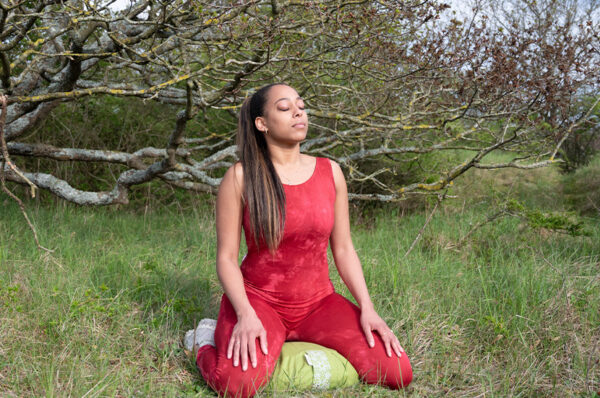
Whether you choose yoga’s strengthening poses or tai chi’s flowing movements, consistent practice is what creates lasting balance improvements. A quality yoga mat provides the stable foundation needed for balance poses, while meditation practice can enhance the mindful awareness that supports both disciplines. At Samarali, we support your mindful movement journey with sustainable meditation and yoga accessories crafted from organic cotton. Our eco-conscious approach means you can focus on your practice knowing your gear supports both your wellness and environmental values, with plastic-free packaging that aligns with mindful living principles.
Browse our selection of thoughtfully crafted collection of sustainable yoga essentials—designed for mindful movement and made with respect for the planet.