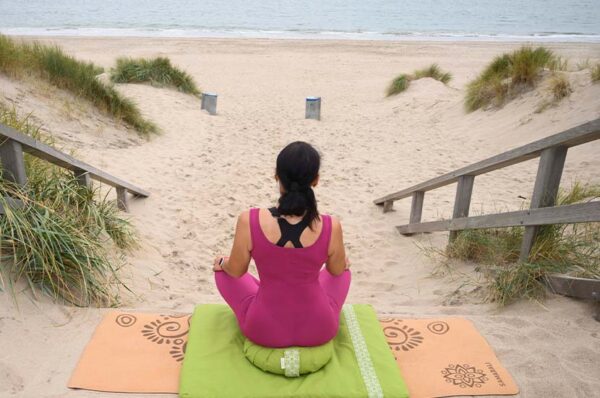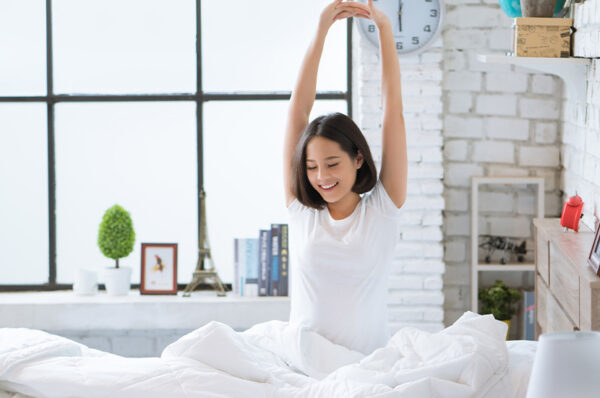



Yoga and pilates both offer excellent relaxation benefits, but they take different approaches to stress relief. Yoga emphasises deep breathing, meditation, and spiritual connection, whilst pilates focuses on precise movement control and core strength. Yoga typically provides more immediate mental relaxation through mindfulness practices, whereas pilates offers physical tension relief through controlled movements. Both practices can significantly reduce stress levels, but your personality type and relaxation preferences will determine which works better for you.
What exactly is the difference between yoga and pilates when it comes to relaxation?
Yoga and pilates approach relaxation through fundamentally different philosophies and techniques. Yoga combines physical postures with breathing exercises and meditation to create a holistic mind-body experience that directly targets stress reduction. The practice encourages you to focus inward, using pranayama (breathing techniques) to activate your parasympathetic nervous system and promote deep relaxation.
Pilates, on the other hand, emphasises precise movement control and core strengthening to release physical tension. The practice requires intense concentration on proper form and breathing patterns, which naturally quiets mental chatter. This focused attention creates a meditative state, but the primary relaxation benefit comes from releasing muscular tension and improving posture.
The key differences between these practices include:
- Breathing techniques: Yoga involves various patterns like alternate nostril breathing or extended exhales that directly calm your nervous system, whilst pilates uses coordinated breathing with movement – typically inhaling during preparation and exhaling during exertion
- Mental focus: Yoga encourages you to observe your thoughts without judgement, often incorporating meditation or mindfulness elements, whereas pilates demands concentrated attention on movement precision and proper form alignment
- Primary benefits: Yoga directly targets relaxation responses through nervous system activation, whilst pilates provides stress relief through mental clarity and physical tension release from strengthening exercises
- Spiritual elements: Yoga often incorporates philosophical teachings and spiritual practices that address stress at an emotional level, while pilates maintains a purely physical approach to wellness
Understanding these fundamental differences helps you recognise that both practices offer valid but distinct pathways to relaxation. Yoga works from the inside out, using breath and mindfulness to create calm, whilst pilates works from the outside in, using physical conditioning to release stored tension and create mental clarity through focused movement.
Which practice helps you unwind faster – yoga or pilates?
Yoga typically activates relaxation responses more quickly due to its specific breathing techniques and meditation components. Many people feel immediate stress relief within the first 10-15 minutes of a yoga session, particularly with restorative or gentle yoga styles. The combination of deep breathing and mindful movement directly signals your nervous system to shift into relaxation mode.
Pilates may take longer to produce that “unwound” feeling because it’s more physically demanding and requires mental concentration on technique. However, the post-workout relaxation effect can be quite profound. After a pilates session, you often experience a sense of accomplishment and physical release that contributes to stress relief, though this might take 30-45 minutes to fully develop.
Consider these factors when determining which practice might work faster for you:
- Personality type: Naturally anxious or busy minds often respond better to yoga’s meditation aspects and breath-focused techniques, whilst those who carry physical stress in their muscles may find pilates’ strengthening movements more immediately effective
- Time investment: A 20-minute gentle yoga session can provide substantial stress relief through breathing exercises alone, whilst pilates typically requires 45-60 minutes to achieve similar relaxation effects through complete muscle engagement
- Stress manifestation: Mental stress responds faster to yoga’s mindfulness practices, while physical tension often requires pilates’ longer conditioning approach to fully release
- Experience level: Beginners may find yoga’s gentler entry point more immediately soothing, whilst pilates requires technique mastery before relaxation benefits fully emerge
The speed of relaxation ultimately depends on how your individual stress patterns align with each practice’s strengths. While yoga offers quicker mental relief, pilates provides deeper physical release that builds over time. Some practitioners find that their preference changes based on daily stress levels – choosing yoga for immediate anxiety relief and pilates for accumulated physical tension.
How do you choose between yoga and pilates for your stress relief needs?
Consider your stress triggers and physical preferences when choosing between yoga and pilates for relaxation. If your stress manifests as racing thoughts, anxiety, or emotional overwhelm, yoga’s mindfulness and breathing practices will likely serve you better. If you carry stress as physical tension, poor posture, or muscular tightness, pilates might provide more effective relief.
Key factors to evaluate include:
- Physical limitations: Yoga offers modifications for nearly every ability level and includes gentle, restorative styles perfect for beginners or those with mobility issues, whilst pilates can be more demanding initially but provides excellent rehabilitation benefits for specific injuries
- Lifestyle factors: Yoga offers more flexibility with effective 15-20 minute sessions that fit busy schedules, whilst pilates appeals to those who prefer structured, goal-oriented activities with measurable strength improvements
- Personal preferences: Consider whether you’re drawn to spiritual elements and philosophical teachings (yoga) or prefer purely physical approaches focused on biomechanics and body conditioning (pilates)
- Long-term goals: Yoga supports overall wellness and emotional regulation, while pilates excels at posture correction and core stability that prevents stress-related physical problems
Try both practices for at least 2-3 sessions each before deciding, as initial impressions may not reflect their full potential. Start with beginner-friendly classes or online videos to get a feel for each approach without overwhelming yourself. Notice which practice leaves you feeling more relaxed, energised, and mentally clear both during and hours after your session. Many people discover that combining both practices – perhaps yoga for daily stress management and pilates for weekly physical conditioning – provides the most comprehensive stress relief benefits that address both mental and physical aspects of tension.
Both yoga and pilates offer valuable paths to relaxation and stress reduction. Your choice depends on whether you prefer yoga’s meditative, breath-focused approach or pilates’ movement-based tension release. Consider trying both to discover which resonates with your body and mind. At Samarali, we believe in supporting your mindful movement journey with sustainable, eco-conscious accessories that enhance whichever practice helps you find your perfect balance between strength and serenity.
Yoga mats designed for mindful movement and made with respect for the planet can enhance your practice, whether you choose the meditative path of yoga or the strengthening journey of pilates.