


Beginner relaxation techniques are simple, accessible methods that help reduce stress and promote calm without requiring special equipment or experience. These include basic breathing exercises, mindfulness practices, and gentle physical movements that anyone can learn. Starting with easy stress relief techniques builds confidence and creates a foundation for more advanced wellness practices.
What exactly are relaxation techniques and why do beginners need them?
Relaxation techniques are intentional practices that activate your body’s natural relaxation response, reducing stress hormones and promoting physical and mental calm. For beginners, these simple methods provide immediate relief from daily tension while teaching your nervous system to shift from fight-or-flight mode to rest-and-digest mode.
When you’re stressed, your body releases cortisol and adrenaline, which increase heart rate, tighten muscles, and create mental restlessness. Beginner relaxation techniques counteract these effects by:
- Slowing your breathing
- Release muscle tension
- Quieting racing thoughts
This physiological shift helps lower blood pressure, improve sleep quality, and enhance overall wellbeing.
Starting with simple relaxation methods builds sustainable habits because they’re easy to remember and practice anywhere. You don’t need perfect conditions or extensive training to benefit from these techniques. Regular practice, even for just five minutes daily, helps your body recognise and respond to relaxation cues more quickly over time.
Which breathing exercises work best for complete beginners?
The most effective breathing exercises for beginners include:
- Box breathing
- 4-7-8 breathing
- Simple belly breathing
These techniques require no equipment and can be practised sitting, standing, or lying down anywhere you feel comfortable.
Box breathing involves inhaling for four counts, holding for four, exhaling for four, and holding empty for four counts. This creates a steady rhythm that calms your nervous system. Start by counting slowly and adjust the timing to match your natural breathing capacity.
The 4-7-8 technique follows this pattern:
- Inhale through your nose for four counts
- Hold your breath for seven counts
- Exhale through your mouth for eight counts
This pattern naturally slows your heart rate and promotes relaxation. Practice this technique three times in a row, no more than twice daily when starting.
Belly breathing focuses on breathing deeply into your diaphragm rather than shallow chest breathing. Place one hand on your chest and one on your belly. Breathe so that the hand on your belly rises more than the one on your chest. This activates your body’s relaxation response and can be done anytime you notice tension building.
How do you practice mindfulness when you’ve never meditated before?
Mindfulness for beginners starts with simple present-moment awareness exercises that require no special postures or meditation experience. You can begin with:
- Basic body awareness
- Mindful walking
- Focusing on everyday activities with full attention
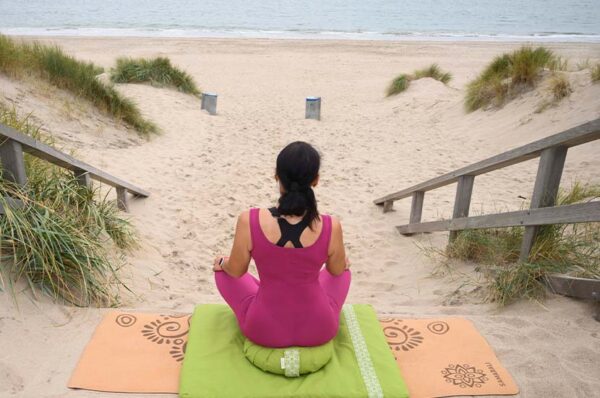
A basic body scan involves sitting comfortably and slowly noticing sensations in different parts of your body, starting from your toes and working upward. You’re not trying to change anything, just observing what you feel without judgement. This practice helps you reconnect with physical sensations and creates mental calm through focused attention. For enhanced comfort during longer sessions, consider using supportive meditation cushions to maintain proper posture.
Mindful walking transforms a regular activity into a relaxation practice. Walk slowly and deliberately, paying attention to:
- How your feet feel touching the ground
- How your legs move
- What you notice around you
This works particularly well for people who find sitting still challenging.
You can also practice mindfulness during routine activities such as:
- Washing dishes
- Brushing teeth
- Drinking tea
Focus completely on the sensations, sounds, and movements involved in the activity. When your mind wanders to other thoughts, gently bring your attention back to the present task. This builds your ability to stay present and reduces mental chatter throughout the day.
What are the easiest physical relaxation techniques to start with?
The most accessible physical relaxation techniques for beginners include:
- Progressive muscle relaxation
- Gentle stretching
- Basic yoga poses
These methods work regardless of fitness level and can be adapted for physical limitations or mobility concerns.
Progressive muscle relaxation involves tensing and then releasing different muscle groups throughout your body. Start with your toes, squeeze them tightly for five seconds, then release and notice the contrast between tension and relaxation. Work your way up through your legs, torso, arms, and face. This technique helps you recognise where you hold stress and teaches your body to let go of unnecessary tension.
Simple stretches that release physical tension include:
- Neck rolls
- Shoulder shrugs
- Gentle spinal twists
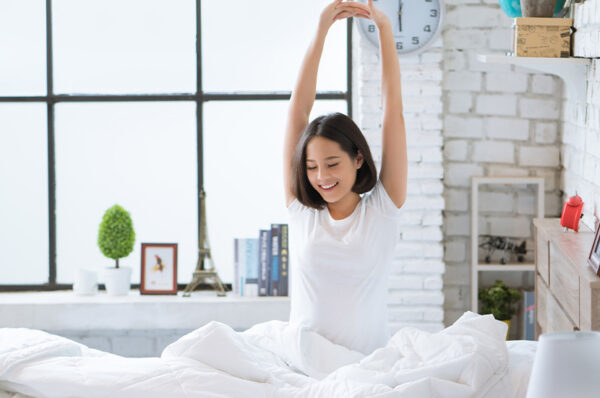
Hold each stretch for 15-30 seconds and breathe deeply while stretching. Focus on areas where you commonly feel tight, such as your neck, shoulders, or lower back.
Basic yoga poses for beginners include:
- Child’s pose
- Cat-cow stretches
- Legs-up-the-wall pose
These poses don’t require flexibility or strength and can be modified using pillows, blankets, or chairs for support. A quality natural rubber yoga mat provides the stability and comfort needed for safe practice. The combination of gentle movement and focused breathing creates both physical and mental relaxation.
These beginner-friendly relaxation techniques provide practical tools for managing daily stress and building a foundation for long-term wellness practices. Regular practice with even one or two methods helps create positive changes in how your body and mind respond to stress. As you become comfortable with these basics, you can explore additional techniques or deepen your practice with longer sessions. We at Samarali believe that sustainable wellness begins with simple, accessible practices that fit naturally into your daily routine, supporting both personal wellbeing and mindful living.
Browse our selection of thoughtfully crafted collection of sustainable yoga essentials—designed for mindful movement and made with respect for the planet.