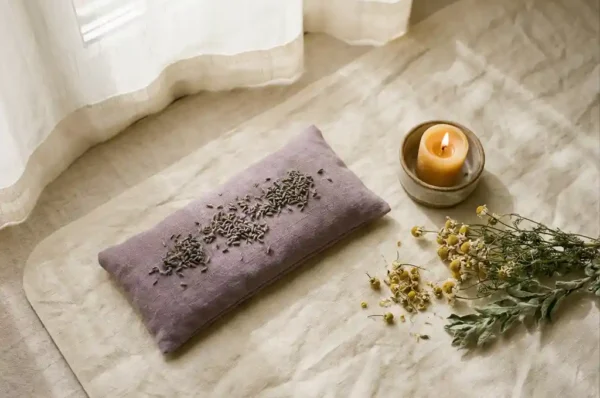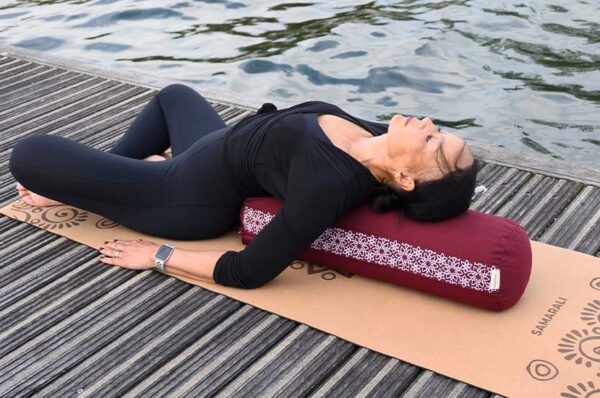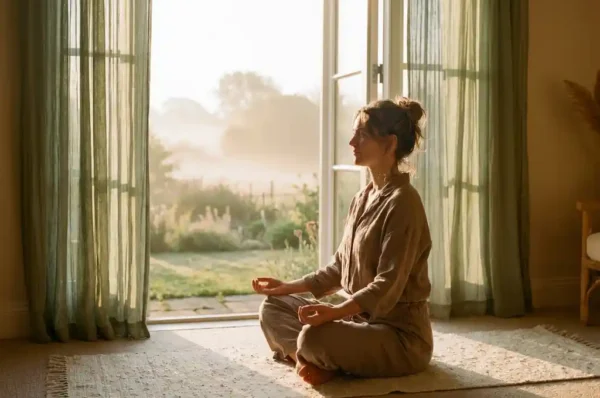



A calming home wellness routine combines simple, sustainable daily practices with a peaceful environment that supports your wellbeing. Focus on consistency over perfection, creating small rituals like morning breathing exercises, mindful transitions between activities, and evening wind-down practices. The key lies in designing routines that feel nurturing rather than overwhelming, using your home space to naturally encourage relaxation and mindfulness.
What makes a wellness routine actually calming instead of stressful?
A truly calming wellness routine prioritises simplicity and personal alignment over complexity or perfection. The difference lies in choosing practices that feel naturally restorative rather than adding pressure to your day. When your routine feels like a gentle support system rather than another item on your to-do list, you’ve found the right balance.
The most effective calming wellness practices focus on three core principles:
- They’re realistic for your current lifestyle and energy levels
- They connect you with your body and breath rather than pushing you towards external goals
- They create a sense of ritual and mindfulness that naturally slows down your nervous system
Start with practices that take five minutes or less and build from there. A few mindful breaths, gentle stretching, or simply sitting quietly with your morning tea can be more beneficial than an ambitious routine you’ll abandon within a week. The goal is creating sustainable wellness lifestyle habits that support your natural rhythms rather than fighting against them.
Remember that your wellness routine at home should adapt to your changing needs. Some days might call for energising movement, whilst others need gentle restoration. Flexibility within structure creates the most calming and sustainable approach to daily wellness habits.
How do you design a home space that naturally supports wellness?
Creating a mindful home environment starts with designating specific areas for wellness activities, even if you’re working with limited space. A corner of your bedroom, a spot by a window, or even a section of your living room can become a peaceful sanctuary when thoughtfully arranged with calming elements.
Lighting plays a crucial role in creating a peaceful space. Natural light energises morning practices, whilst soft, warm lighting in the evening supports relaxation. Consider these lighting options to create different moods throughout the day:
- Candles for gentle, flickering ambiance
- Salt lamps for warm, soothing illumination
- Dimmable lights for adjustable brightness
- Avoid harsh overhead lighting during your wellness time
Incorporate natural elements that connect you with the outdoors. Plants not only purify the air but also create a sense of calm and life in your space. Low-maintenance options include:
- Small succulents
- Peace lily
- Snake plant
Keep your wellness space organised and clutter-free. Store your yoga mat, meditation cushion, or wellness accessories in a designated spot where they’re easily accessible. When everything has its place, you remove barriers to starting your home self-care routine. A simple basket or shelf can hold your wellness essentials whilst maintaining the peaceful atmosphere you’re cultivating.
What daily wellness practices can you realistically maintain long-term?
Sustainable daily wellness habits focus on micro-practices and mindful transitions that integrate seamlessly into your existing routine. These small moments of intentional self-care are more valuable than elaborate practices you can’t maintain consistently. The most effective approach combines brief morning rituals, mindful transitions throughout the day, and gentle evening practices.
Morning wellness practices work best when they’re simple and non-negotiable. Try these easy options:
- Three deep breaths before getting out of bed
- Gentle stretching whilst your kettle boils
- Setting a positive intention whilst you brush your teeth
These micro-moments create a foundation of mindfulness without requiring extra time in your schedule.
Mindful transitions between activities throughout the day help maintain your sense of calm and presence. Simple practices include:
- Taking a few conscious breaths before checking emails
- Stretching your shoulders between meetings
- Pausing for a moment of gratitude before meals
These practices anchor you in the present moment and prevent stress from accumulating.
Evening wellness routines should focus on releasing the day’s tension and preparing your body for rest. Nurturing options include:
- Gentle yoga stretches
- Journaling three things you’re grateful for
- A warm bath with calming essential oils
These practices signal to your nervous system that it’s time to unwind. The key is choosing practices that feel nurturing rather than effortful.
Building lasting wellness lifestyle habits requires patience and self-compassion. Start with one practice and maintain it for at least two weeks before adding another. This approach allows each habit to become automatic before introducing new elements to your routine.
Creating a calming home wellness routine transforms your daily experience from reactive to intentional. By focusing on simple practices, designing supportive spaces, and choosing sustainable habits, you build a foundation of wellbeing that naturally enhances your quality of life. Remember that the most powerful wellness routines are those that feel like coming home to yourself rather than another obligation. At Samarali, we believe that mindful living begins with small, consistent choices that honour both your personal wellbeing and your connection to the world around you.
Browse our selection of thoughtfully crafted collection of sustainable yoga essentials—designed for mindful movement and made with respect for the planet.