


Your phone buzzes with another urgent email whilst you’re still processing the morning’s meeting notes. Sound familiar? Modern professional life moves at breakneck speed, leaving many of us feeling constantly switched on and mentally exhausted. Yet what if there was a way to find calm amidst the chaos without adding another demanding task to your already packed schedule?
The best meditation techniques for busy professionals can transform your workday from reactive stress to proactive calm. These are not hour-long sessions requiring special equipment or perfect silence. Instead, they are practical mindfulness meditation techniques specifically designed for time-pressed professionals, helping you manage workplace pressure whilst enhancing your focus, decision-making, and stress relief, even during the most demanding schedules.
The beauty of these best mindfulness and meditation techniques for busy professionals lies in their flexibility across every professional environment. You can practice desk meditation techniques at your office workspace, during a train commute, in a hotel room, or even between back-to-back client meetings, making mindfulness genuinely accessible during the most hectic periods. Whether you have 30 seconds for a quick breathing reset, 3 minutes during a coffee break, or 5 minutes at your desk before a high-stakes presentation, these techniques adapt to your schedule rather than demanding rigid time commitments, giving you practical stress relief tools that work within the real demands of a busy professional life.

Why meditation is your secret weapon for professional success and stress relief
The best practices for meditation for busy professionals focus on optimizing your cognitive performance when it matters most, not achieving perfect stillness. Regular mindfulness practice enhances your ability to concentrate during back-to-back meetings, make clearer decisions under pressure, and respond thoughtfully rather than react impulsively to workplace challenges. Research shows that even brief daily meditation sessions can improve working memory, sharpen sustained attention, and reduce cortisol levels by up to 23%, delivering measurable stress relief that busy professionals can feel within the first week of consistent practice.
When you practice meditation consistently, you are essentially training your brain to stay present and perform under the high-stakes conditions that define modern professional life. This mental training translates directly into improved productivity, better stress management during quarterly reviews and performance conversations, enhanced emotional regulation during difficult client interactions, and sharper decision-making in leadership scenarios. Think of it as mental fitness for ambitious professionals: consistent practice builds your capacity to maintain composure, communicate with clarity, and lead with confidence even when workplace pressure peaks.
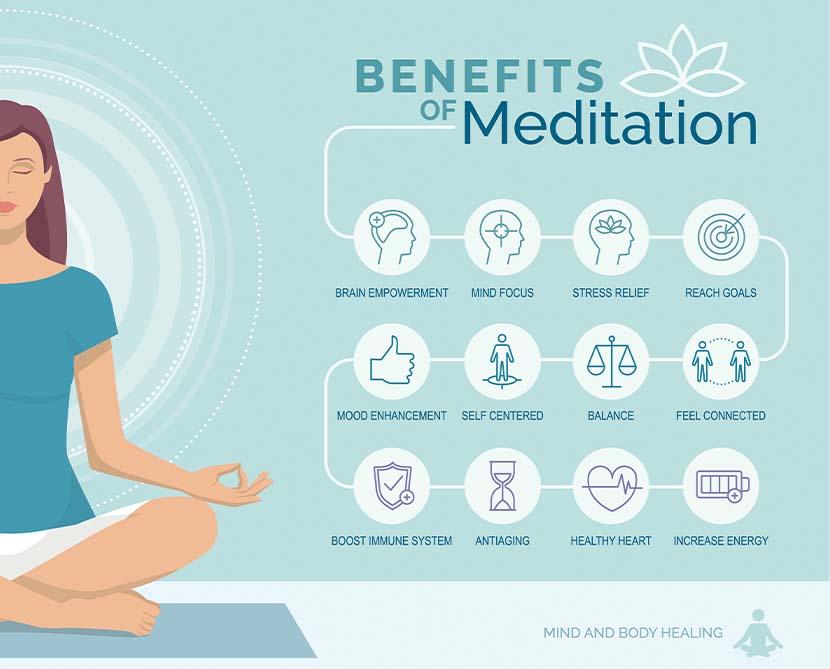
The workplace benefits of implementing the best meditation techniques for busy professionals extend beyond personal well-being into measurable career advantages. Professionals who incorporate these best practices for meditation into their daily routine consistently report improvements across focus, resilience, leadership presence, interpersonal communication, and their ability to perform under sustained high-pressure conditions:
- Improved relationships with colleagues – mindfulness helps you listen more actively and respond with greater empathy during interpersonal interactions
- Better communication skills – the pause that meditation creates between stimulus and response allows for more thoughtful, articulate expression of ideas
- Increased creativity in problem-solving – a calm mind can access innovative solutions that stress and mental clutter typically obscure
These benefits compound over time, creating a positive feedback loop in which improved performance reduces stress, which further enhances your professional capabilities. The investment in mindfulness practice pays dividends in career advancement, leadership effectiveness, and workplace satisfaction that non-practitioners consistently miss. Studies indicate that professionals practicing meditation show 28% better performance in high-pressure decision-making scenarios, reinforcing why the best mindfulness meditation techniques for busy professionals are increasingly recognized not as a wellness trend but as a genuine, evidence-backed competitive advantage in demanding careers.
1: Master the 5-minute morning mindfulness routine for busy professionals
Starting your day with intention through morning meditation techniques sets the tone for everything that follows, especially for busy professionals juggling multiple priorities. A brief morning mindfulness practice creates a foundation of calm that carries through even the most demanding workdays filled with back-to-back meetings and urgent deadlines. You do not need a meditation app, special space, or perfect silence. Just one to five minutes, and your natural breathing pattern is enough, making this one of the most accessible and immediately actionable best mindfulness meditation techniques for busy professionals to begin with today.
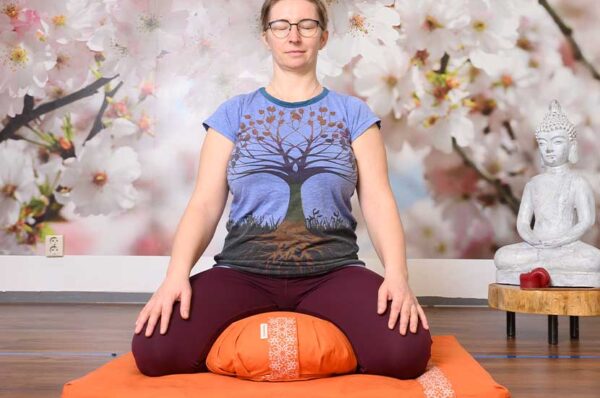
Begin by sitting comfortably in your bedroom, home office, or even kitchen table and closing your eyes. Focus on your natural breathing pattern for two minutes, simply noticing each inhale and exhale without trying to change or control anything. When your mind inevitably shifts to your upcoming presentation, pending emails, or daily tasks, gently return your attention to your breath without judgment or frustration.
For the remaining three minutes, practice a simple visualization technique proven effective for professional performance. Imagine your ideal workday unfolding smoothly: see yourself handling client challenges with composure, communicating clearly during team meetings, maintaining focus during complex projects, and responding calmly to unexpected interruptions. This mental rehearsal primes your brain for success whilst reinforcing positive expectations and building the confidence and focus that busy professionals need to perform at their best throughout the day ahead.

2: Transform your commute with moving meditation techniques for busy professionals
Your daily commute offers one of the most underused opportunities for mindfulness practice, regardless of whether you drive, take public transport, or walk to the office. Moving meditation techniques help you arrive at the workplace feeling centered and mentally prepared rather than frazzled by traffic, crowded trains, or the physical rush of navigating busy streets. By converting this transition time into active mental preparation, you replace accumulated commute stress with genuine focus and calm before your professional day even begins, making commute meditation one of the most practical and time-efficient meditation tips for busy working professionals.
For drivers:
- Focus on physical sensations – notice the feeling of your hands on the wheel and your body’s contact with the seat to anchor yourself in the present moment
- Use red lights strategically – treat traffic stops as mindful pause moments where three deep breaths can reset your entire nervous system
- Practice peripheral awareness – maintain focus on driving whilst staying conscious of your breath rhythm throughout the journey
For public transport users: Try the 4-7-8 breathing technique during your train or bus journey: inhale quietly through your nose for 4 counts, hold your breath for 7 counts, and exhale completely through your mouth for 8 counts. This pattern naturally calms your nervous system and reduces pre-meeting anxiety whilst being completely discreet among other commuters.
For walking commuters: Synchronize your breath with your steps to create a moving meditation that energizes rather than depletes your mental resources before reaching the office. Count four steps per inhale and four steps per exhale, allowing this rhythm to build a sense of purposeful momentum and quiet focus. This simple practice takes zero additional time from your schedule and arrives you at work already grounded, making it one of the most effortless meditation tips for busy schedules that professionals consistently overlook.
These commute meditation practices transform what is often a stressful transition into valuable mental preparation time, helping you arrive at work already centered and focused rather than needing to recover from travel stress. Instead of scrolling social media or worrying about your to-do list, you are actively building resilience and setting positive intentions for your professional day ahead. For busy professionals, this simple shift in how you use your commute time is one of the most effective and immediately actionable meditation tips available.

3: Desk meditation techniques for busy professionals seeking instant stress relief
Workplace pressure does not wait for convenient moments, which is why having discrete desk meditation techniques at your fingertips proves invaluable for busy professionals managing multiple deadlines and competing priorities. These practices can be performed right at your workspace without drawing attention from colleagues, clients, or supervisors, making them among the most practical best meditation techniques for busy professionals stress relief available today. Whether you are dealing with a difficult email, preparing for a high-stakes presentation, feeling overwhelmed by your task list, or simply need a 60-second mental reset between meetings, these techniques deliver immediate calm and sharper focus in under two minutes without anyone around you noticing.
The micro-meditation technique involves taking three conscious breaths whilst maintaining your normal seated position. Simply close your eyes briefly (or soften your gaze downward) and focus entirely on one complete breath cycle — inhale for four counts, hold briefly, exhale for six counts. This 30-second desk meditation technique for busy professionals can dramatically shift your mental state during high-pressure moments, making it one of the most accessible mindfulness practices you can perform without colleagues noticing.
For longer sessions of two to five minutes, try the seated desk body scan, one of the best mindfulness meditation techniques for busy professionals who need equipment-free stress relief at their workstation:
- Start from the top of your head
- Mentally scan down through your body
- Notice areas of tension and consciously relax them
- Pay particular attention to your shoulders, jaw, and hands – common stress-holding areas for desk workers
This practice takes just 2 to 3 minutes but provides significant relief from accumulated physical tension and mental fatigue. The key is building these desk meditation moments into your natural work rhythm — between tasks, before important calls, after back-to-back meetings, or whenever you notice stress beginning to build. Professionals who integrate short mindfulness resets consistently report improved focus, reduced afternoon burnout, and sharper concentration during demanding cognitive tasks compared to those who rely on caffeine or distraction to push through the workday.

4: Use lunch breaks for mindful restoration and afternoon focus
Your lunch break represents precious time for mental restoration, yet many professionals spend it scrolling through emails or rushing through meals. Transforming even part of this time into mindful practice is one of the best practices for meditation for busy professionals, and research consistently links midday mindfulness to measurable improvements in afternoon cognitive performance, decision-making speed, and overall stress resilience. Even a single 10-minute session at midday has been shown to lower cortisol levels and restore the attentional resources that high-stakes professional work steadily depletes throughout the morning.
Find a quiet spot — whether it is a nearby park, an empty meeting room, or even your car. Spend 10 minutes in a mindful-eating meditation by focusing entirely on the sensory details of your meal. This structured attention to taste, texture, temperature, aroma, and the physical act of chewing anchors your awareness in the present moment and interrupts the mental loop of work concerns:
- Taste complexity – notice the different flavors as they develop and change throughout each bite
- Texture variations – pay attention to how food feels in your mouth and the physical act of chewing
- Aromatic qualities – engage your sense of smell to fully experience your meal beyond just consumption
This practice not only supports healthy digestion but also provides a complete mental break from professional pressures. Alternatively, try a brief guided session using a meditation app on your smartphone — many platforms offer 5 to 15 minute sessions specifically designed for workplace stress relief, making them ideal meditation tips for busy schedules. Look for sessions that combine breath awareness with body relaxation, as this pairing delivers the fastest recovery from cognitive fatigue during a compressed lunch window. The key is consistency: even five minutes of dedicated mindfulness at midday creates a measurable psychological buffer that helps you return to afternoon tasks feeling mentally refreshed, emotionally regulated, and sharply focused.
These midday restoration techniques serve as a crucial reset point in your best practices meditation for busy professionals routine, preventing the afternoon energy and focus crashes that derail productivity whilst sustaining the mental clarity you need for high-stakes decisions in the second half of your workday.
5: Evening meditation techniques for busy professionals to decompress, disconnect, and sleep better
Transitioning from work mode to personal time requires intentional effort, especially when professional pressures follow you home. Evening meditation techniques for busy professionals help you release the day’s accumulated stress, establish clear psychological boundaries between work and personal life, and prepare your nervous system for the quality rest that directly enhances next-day cognitive performance, emotional regulation, and decision-making under pressure. Without this intentional transition, residual work stress elevates cortisol levels well into the evening, fragmenting sleep quality and compounding the mental fatigue that accumulates across a demanding workweek.
Create a simple work-to-home transition ritual by spending five minutes acknowledging the day’s accomplishments and challenges without judgment. Visualize placing unresolved work concerns into a mental container and closing it until morning — a technique grounded in cognitive boundary-setting that helps your brain recognize the shift from professional to personal mode. This intentional closure activates your parasympathetic nervous system, reducing cortisol levels and accelerating the stress recovery process that prepares you for restorative sleep.
The progressive muscle relaxation technique is one of the most effective mindfulness and meditation techniques for busy professionals to use in the evening. Work systematically from your feet upward, tensing each muscle group for five seconds and releasing fully for ten seconds before moving on:
- Start with your toes
- Tense and then relax each muscle group
- Work up through your body systematically
- Notice the contrast between tension and relaxation
End your session by setting a positive intention for your evening, whether it is quality time with family, pursuing a professional development goal, engaging in a creative hobby, or simply achieving deep, restorative sleep. This forward-looking focus interrupts the mental habit of cycling through unresolved work concerns and reinforces the psychological separation between professional responsibilities and personal renewal — a boundary that is essential for long-term career sustainability and leadership effectiveness.
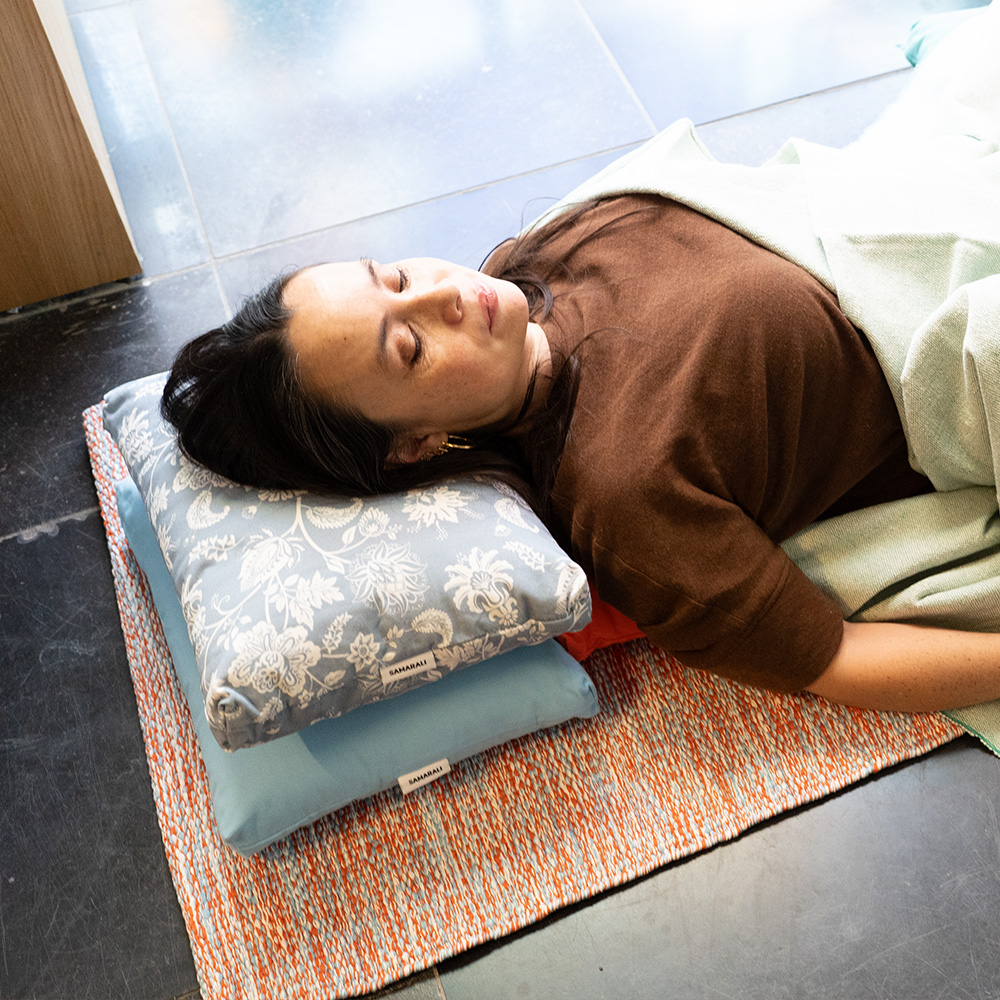
Build a sustainable meditation practice for lasting professional performance and stress resilience
Creating a meditation practice that survives your demanding schedule requires strategic flexibility and realistic expectations. The goal is not perfection — it is building consistent mindfulness habits that compound over time to enhance your cognitive performance, emotional regulation, and leadership presence in high-pressure professional environments. Research on neuroplasticity consistently shows that even brief, regular practice reshapes the brain’s stress response pathways over a period of four to eight weeks, making the best meditation techniques for busy professionals stress relief those that are short enough to sustain daily rather than long enough to abandon. Professionals who practice for as little as five minutes a day report measurably lower perceived stress and stronger attentional control than those who attempt longer, infrequent sessions.
Start small and build gradually using proven habit formation principles. Even two minutes of daily meditation practice creates more lasting neuroplasticity changes than sporadic longer sessions. Link your meditation to existing professional habits — three conscious breaths before checking emails, a brief mindfulness moment whilst your computer boots up, or desk meditation techniques for busy professionals during calendar transitions between meetings. These habit stacks make mindfulness feel like a natural extension of your workflow rather than an additional burden, dramatically improving the consistency that drives long-term results.
The best mindfulness meditation techniques for busy professionals are the ones flexible enough to adapt to your real-world schedule, not an idealized one. Whether you have 60 seconds between back-to-back meetings, a five-minute window during your commute, or a rare 15-minute lunch break free from interruptions, there is a technique in this guide designed to fit that exact constraint. Consider these practical adaptations based on what your day actually allows:
- High-pressure days – focus on micro-meditations and breathing exercises that can be practiced discreetly during meetings or brief breaks
- Moderate workload periods – incorporate longer desk sessions and extended lunch break practices when time allows
- Calmer phases – use these opportunities to deepen your practice with extended morning or evening sessions that build resilience for busier times

The strength of a flexible approach lies in its long-term sustainability — you are never starting from zero, regardless of how demanding your schedule becomes. Each moment of mindfulness, whether 60 seconds at your desk or a full five-minute commute practice, contributes to your overall stress resilience, emotional intelligence, and professional effectiveness. This compound effect quietly strengthens your leadership capabilities, sharpens your decision-making under pressure, and builds the mental endurance that separates high-performing professionals from those who burn out.
Your professional success depends not just on working harder, but on working with greater awareness, emotional intelligence, and strategic clarity. By integrating these best meditation techniques for busy professionals into your daily routine, you are making a direct investment in immediate stress relief, long-term career resilience, sustained focus, and the kind of leadership presence that influences teams and earns trust. We understand that true professional wellness comes from practices that honor both your ambitions and your fundamental need for sustainable stress management — and these techniques are designed to deliver exactly that.
Which of these best practices for meditation for busy professionals will you try first — and how might a single daily mindfulness habit shift your approach to stress, focus, and sustained professional performance over the next 30 days?
Browse our selection of sustainably crafted yoga essentials designed to support your mindfulness and meditation practice, from busy morning routines to desk meditation breaks throughout the workday.